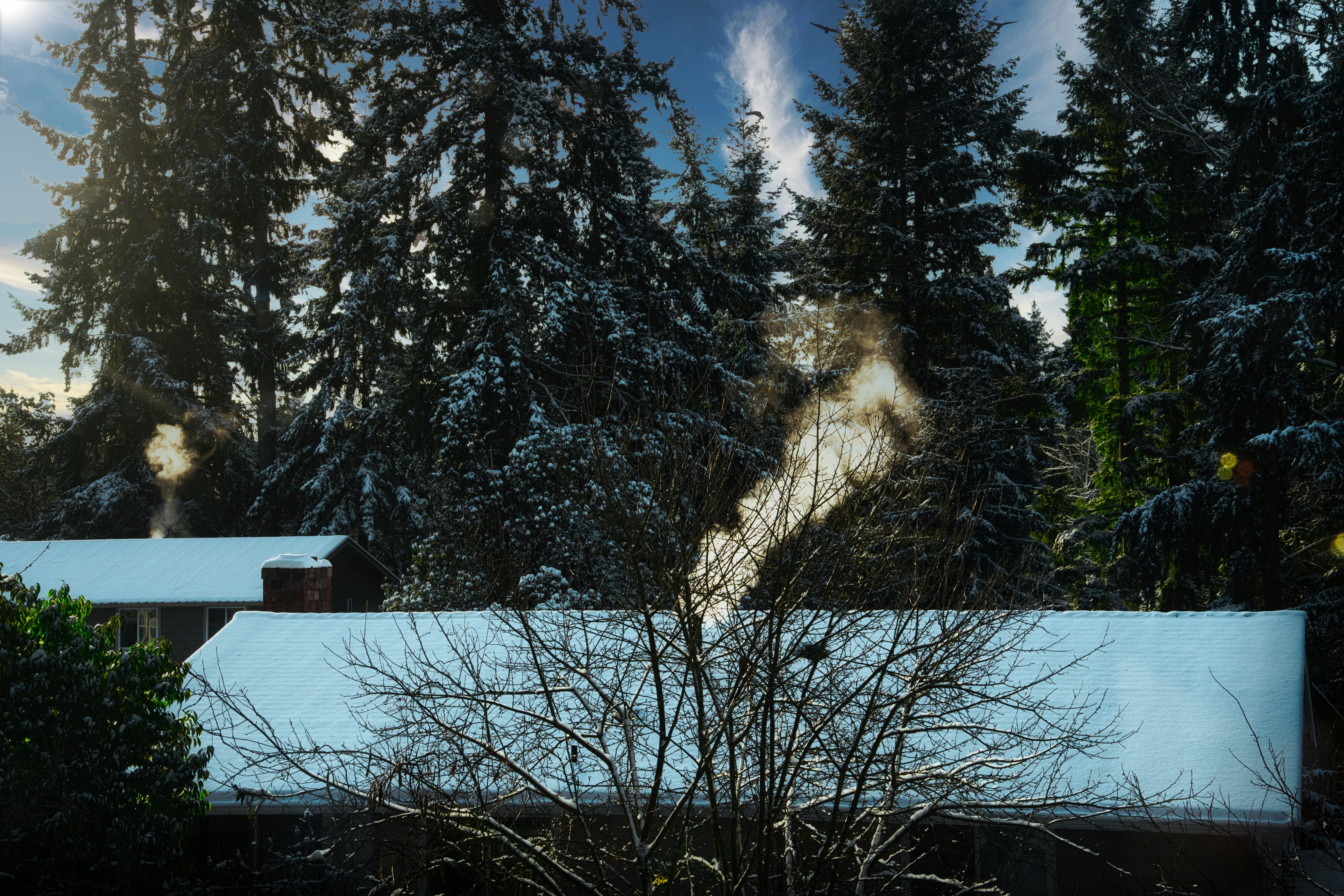
Prevent Ice Dams: Roof Tips for PA Winters
Home Improvement, Roof Maintenance, Winter Weather
How Harsh Pennsylvania Winters Cause Ice Dams and Roof Damage (and What You Can Do About It)
If you own a home in eastern Pennsylvania, you already know that snow, sleet, and wild temperature swings are simply part of life. But many homeowners don’t realize how quickly those conditions can lead to ice dams, leaks, and costly roof repairs—especially without proper Lehigh Valley winter roof prep and maintenance in place.
What Is an Ice Dam—and Why Is It So Common in Pennsylvania?
An ice dam is a ridge of ice that forms along the lower edge of your roof, usually at the eaves or in roof valleys. When heat escapes from your home into the attic, it warms the roof deck and melts the snow sitting on top. As that meltwater runs down toward the colder eaves, it refreezes, gradually building a thick band of ice. Behind that band, more water pools—and that’s where the real trouble starts.
Pennsylvania’s winter weather is a perfect recipe for ice dams: frequent snowstorms, periods of subfreezing cold, and then sudden thaws. Roof surfaces warm and cool repeatedly, causing snow to melt, refreeze, and melt again. Combine that with older homes that have patchy insulation, minimal air sealing, and inadequate ventilation, and you get ideal conditions for ice dam formation all season long.
How Ice Dams Damage Your Roof, Attic, and Interior
At first, ice dams might look like nothing more than pretty icicles hanging from your gutters. But the damage they cause is anything but decorative. When water pools behind that frozen ridge, it works its way under shingles and into places it was never meant to go. Over time, that leads to:
Shingle and underlayment damage: Repeated freeze–thaw cycles lift shingles, crack sealant strips, and compromise the waterproof barrier beneath your roofing material.
Roof deck rot: Persistent moisture can soak the wood sheathing, leading to rot, soft spots, and structural issues that may not be visible from the ground.
Attic insulation damage: Wet insulation clumps, loses its R-value, and can harbor mold, making your home less efficient and less healthy.
Interior leaks and stains: Water often shows up as ceiling stains, peeling paint, bubbling drywall, or warped trim—sometimes far from the actual roof leak.
Gutter and fascia damage: The sheer weight of ice can bend gutters, pull fasteners loose, and damage fascia boards along the roof edge.
📌 Key Takeaway: Ice dams are not just a cosmetic issue. They are a sign of underlying attic and roof problems that can lead to expensive repairs if ignored.
The Role of Attic Insulation: Keeping Heat Where It Belongs
One of the most effective ways to prevent ice dams is to stop warm air from escaping into your attic in the first place. Proper attic insulation keeps heat inside your living spaces and helps maintain a more consistent roof temperature, so snow melts slowly and evenly instead of in sudden bursts that refreeze at the eaves.
The U.S. Department of Energy recommends higher insulation levels in cold climates like Pennsylvania. You can explore their guidance on recommended R-values and attic upgrades on Energy.gov. For many older homes in the Lehigh Valley, that means adding blown-in cellulose or fiberglass to reach modern standards and sealing obvious gaps before any new material goes down.
Check your current insulation depth: In most Pennsylvania attics, you’ll want roughly 14–18 inches of insulation, depending on material and target R-value.
Seal air leaks first: Use foam or caulk to seal around recessed lights rated for insulation contact, plumbing penetrations, electrical openings, and attic hatches before adding more insulation.
Protect recessed fixtures and chimneys: Maintain required clearances around heat sources and use proper fire-rated covers where needed.
💡 Pro Tip: If you can see the tops of your joists in the attic, you almost certainly need more insulation to improve comfort and reduce ice dam risk.
Why Attic Ventilation Matters Just as Much as Insulation
Insulation keeps heat from escaping into your attic, but ventilation moves any remaining warm, moist air out before it can cause trouble. A well-designed system uses soffit vents to draw in cold, dry air at the eaves and ridge or roof vents to exhaust warmer air near the peak. This steady airflow helps keep the roof deck close to the outdoor temperature, which is exactly what you want in winter to avoid ice dams.
Clear soffit vents: Make sure insulation baffles are installed so insulation doesn’t block airflow from your soffits up into the attic space.
Balance intake and exhaust: You need roughly equal amounts of soffit intake and ridge or roof vent exhaust for consistent circulation.
Avoid mixing systems: Combining ridge vents with powered attic fans can disrupt airflow; a roofing professional can advise on the right setup for your home.
When insulation and ventilation work together, your roof stays colder, your attic stays drier, and the conditions that cause ice dams are dramatically reduced. You’ll also enjoy better energy efficiency and a more comfortable home year-round.
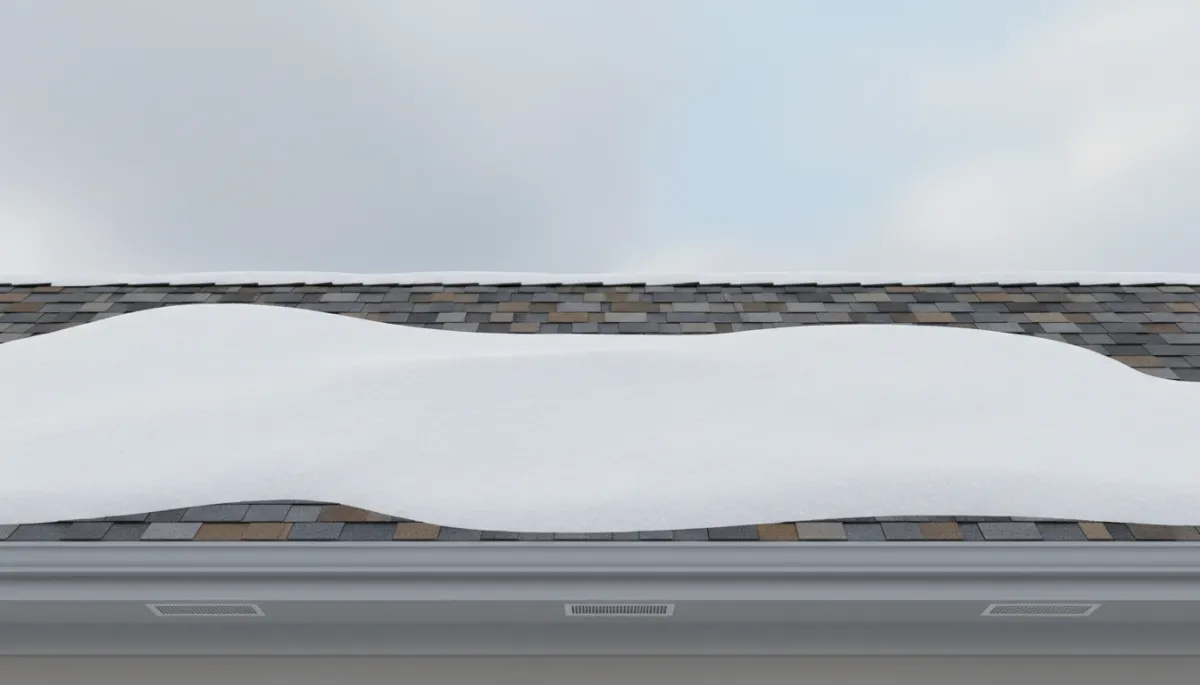
Balanced insulation and ventilation keep snow in place and stop ice dams from forming.
Practical, Actionable Tips to Prevent Ice Dams This Winter
While long-term solutions focus on insulation, ventilation, and roofing details, there are several practical steps you can take right now to reduce the risk of ice dams and winter roof damage in Pennsylvania.
Clear gutters and downspouts before the first big storm. Debris-filled gutters hold water, which quickly turns to ice and worsens ice dam formation along the eaves. Clean them out in late fall and check that downspouts are directing water well away from your foundation.
Use a roof rake after heavy snow. From the ground, with a long-handled roof rake, gently remove the first 3–4 feet of snow from the roof edge. This reduces the amount of meltwater that can refreeze at the eaves. Never climb onto an icy roof yourself—leave that to pros with proper safety gear.
Seal warm-air leaks inside your home. Address drafts around attic hatches, pull-down stairs, bathroom fans, and vent pipes. These small gaps can leak a surprising amount of warm air into the attic, directly fueling ice dams.
Consider heat cables as a short-term aid. In problem areas, professionally installed heat cables can create channels for meltwater to escape. They are not a substitute for proper insulation and ventilation, but they can help manage risk while you plan permanent upgrades.
Schedule a professional roof inspection. A local roofing expert familiar with Pennsylvania winters can spot vulnerable areas, recommend targeted improvements, and confirm that your roof is ready for snow and ice.
⚠️ Warning: Avoid breaking ice dams with hammers, chisels, or shovels. You can easily damage shingles and gutters and put yourself at serious risk of injury.
How RoofOps Helps Pennsylvania Homeowners With Winter Roof Repairs
When ice dams have already formed—or when you suspect winter has taken a toll on your roof—having a trusted local roofing partner matters. RoofOps understands the unique challenges of Pennsylvania’s climate, from lake-effect storms to early spring thaws, and focuses on practical, durable solutions tailored to your home and budget.
Targeted winter roof repairs: RoofOps can safely remove ice dams, replace damaged shingles, repair compromised flashing, and address leaks before they spread to other parts of your home. Learn more about their services on the Roof Repair page.
Attic and ventilation assessments: Their team can evaluate your attic insulation levels, air sealing, and ventilation layout to help reduce the risk of future ice dams rather than just treating the symptoms.
Upgraded protection at vulnerable areas: RoofOps can install ice and water shield membranes, improve flashing details around chimneys and skylights, and recommend design improvements for problem roof valleys and low-slope sections.
If you’re unsure whether your roof is ready for another harsh Pennsylvania winter, or you’ve already noticed icicles, ceiling stains, or suspicious drafts, it’s worth getting a professional opinion before the next storm rolls in. You can request a Free Estimate from RoofOps to understand your options and costs with no obligation.
Preparing Your Roof Now for Safer, Warmer Winters Ahead
Ice dams and winter roof damage aren’t inevitable, even in a state known for unpredictable weather like Pennsylvania. By understanding how ice dams form, investing in proper attic insulation and ventilation, and taking a few simple preventative steps each season, you can dramatically reduce your risk of leaks, structural damage, and expensive emergency repairs.
Start with an honest assessment of your home: Are your gutters clean? Do you see frequent icicles along the eaves? Is your attic insulation up to current standards? From there, decide what you can tackle as a homeowner and where a professional like RoofOps can add value, especially when it comes to roof repairs, safety, and long-term planning.
With thoughtful Lehigh Valley winter roof prep and a trusted roofing partner on your side, you can face the next round of snow and ice with confidence—knowing your home is protected from the top down and ready for whatever the Pennsylvania forecast brings.
